


This topic is like a double-edged sword: post your art online and you might reach thousands, but drown in an ocean of content if you’re not strategic. As someone who’s spent more hours than I care to admit scrolling through galleries, forums, and social feeds, I can tell you the landscape is both liberating and brutal. You want visibility, recognition, and maybe even commissions – but not every platform is built the same, and blindly posting everywhere is a surefire way to waste time and energy.
First, let’s address the obvious. Social media is unavoidable. Instagram and TikTok dominate because of their algorithmic push for visual content, but don’t underestimate niche communities like DeviantArt or ArtStation. Instagram gives you reach, TikTok gives you engagement, and niche platforms give you credibility. Understanding the difference is key: one is for popularity, the other is for professional growth.
Now, don’t get me wrong. You can’t just slap up a drawing or digital painting and expect it to go viral. Presentation matters. High-resolution uploads, well-thought-out captions, and hashtags aligned with your style and medium are critical. For instance, a watercolor portrait will get lost if tagged with #digitalart or #3Dmodeling. Mistargeted audiences are a silent killer of exposure. And yes, consistent posting is non-negotiable; algorithms reward persistence, not sporadic bursts.
Another important factor is community engagement. Platforms like DeviantArt, Behance, and even Dribbble reward artists who interact, comment, and join groups. Posting in isolation is like shouting in a void. Interaction creates visibility beyond your follower count because the platform promotes engagement-rich content. And this isn’t just theory – numerous surveys show artists who actively participate in forums see 40–60% more profile views and interaction than those who post passively.
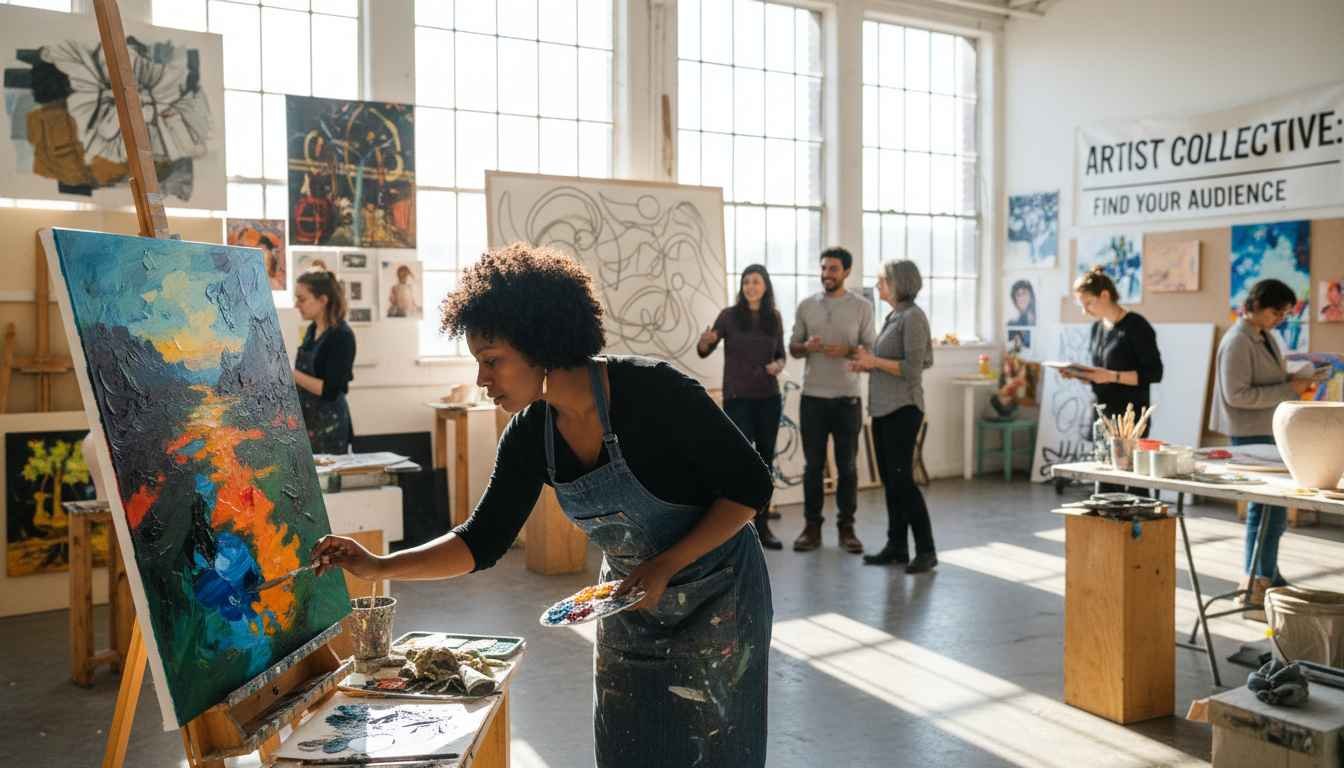
But it’s not all about online platforms. Physical spaces still hold significant value. Local cafes, galleries, and community centers often have walls or boards dedicated to art. Ipswich, MA has several public spaces and local events where emerging artists can exhibit work, from pop-up shows to seasonal fairs. Posting in these environments provides tangible proof of your skills, plus networking opportunities that digital platforms simply can’t replicate. There’s something uniquely rewarding about someone pausing mid-coffee to admire your piece, which no number of likes can replicate.
Let’s talk about hybrid options. Online marketplaces like Etsy or Saatchi Art let you post your work to sell, but they also double as promotional platforms. You’re not just putting your art on display – you’re potentially turning followers into paying clients. The key here is presentation: professional photography, accurate descriptions, and optimized titles can make or break visibility. Algorithms here function differently than social media; they favor clarity and relevance over engagement metrics.
It’s tempting to chase every platform out there, from Pinterest to Facebook Groups to LinkedIn, but spreading yourself too thin is a classic rookie mistake. Focus on 2–3 main platforms that align with your medium and goals. For example, digital illustrators thrive on ArtStation, concept artists on DeviantArt, while mixed media or experimental artists might find Instagram and TikTok more receptive. Think quality over quantity: each post should serve a purpose, either reaching a potential buyer, collaborator, or peer network.
Now, let’s address potential pitfalls. Algorithms change, trends evolve, and platforms rise and fall. Relying solely on one platform is risky. Instagram’s reach may drop, TikTok’s trending rules may shift, or a niche forum might lose its active user base. Diversification isn’t just good advice – it’s survival. Keep backups, maintain email lists, and consider personal portfolio sites to retain control over your work’s visibility. Platforms should amplify your art, not dictate its existence.
So who should avoid this mad dash for online exposure? Artists who prioritize privacy or who create work that isn’t meant for mass consumption may find social posting stressful rather than rewarding. Constant engagement can lead to burnout, critique fatigue, and discouragement. Sometimes, focusing on skill development, personal projects, or small curated exhibitions is healthier than chasing metrics or validation. Recognizing your own limits is part of being strategic, not lazy.
Cheat Sheet Summary:
1. Identify your goals: exposure, sales, or professional credibility.
2. Choose 2–3 primary platforms aligned with your medium.
3. Optimize posts: high-resolution images, relevant hashtags, descriptive captions.
4. Engage with communities actively – comment, join groups, participate.
5. Don’t ignore physical spaces: local cafes, galleries, and events.
6. Diversify: maintain personal portfolios, email lists, or online stores.
7. Monitor performance and adapt to platform changes without overextending.
Ultimately, posting art is a balancing act between visibility and authenticity. Platforms are tools, not guarantees. Mastering them requires strategic planning, consistent effort, and self-awareness. If you treat posting like an art in itself, you won’t just survive the digital landscape – you’ll thrive. And for those in or around Ipswich, MA, there are tangible opportunities to showcase art offline, connecting with local audiences and building a reputation beyond screens. The art world may be vast, but smart posting creates its own footholds in an otherwise chaotic ecosystem.
