


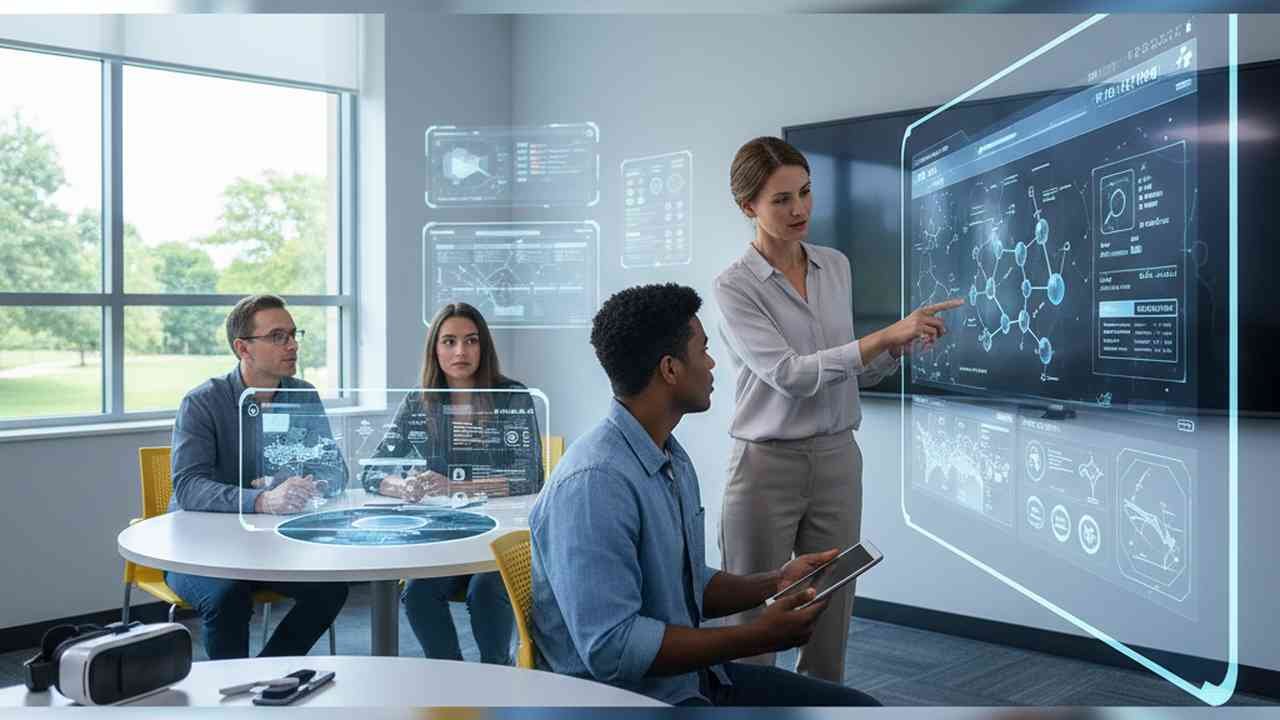
In the ever-evolving landscape of higher education, the integration of technology into teaching methodologies has become not just an enhancement but a necessity. Institutions worldwide are embracing digital tools to foster deeper engagement, streamline administrative tasks, and cater to diverse learning styles. Belarus, with its rich academic heritage, is at the forefront of this transformation, leveraging technology to redefine the educational experience.
The Digital Transformation of Belarusian Higher Education
Belarusian higher education is undergoing a significant digital transformation. With initiatives like the E-school subprogramme, the government aims to enhance ICT infrastructure across educational institutions. By 2025, 80% of general secondary educational institutions are expected to be equipped with modern teaching aids and classroom technology. This ambitious plan underscores the nation’s commitment to integrating technology into education, ensuring that both faculty and students have access to state-of-the-art tools that facilitate interactive learning and teaching.
Moreover, the Belarusian Strategic Action Plan emphasizes the importance of modernizing curricula and teaching methods. By aligning with international standards and adopting innovative educational technologies, Belarusian universities are not only improving the quality of education but also enhancing their global competitiveness. This strategic approach ensures that students are well-prepared for the challenges of the digital age, equipped with the skills and knowledge necessary to thrive in a rapidly changing world.
Empowering Faculty with Advanced Teaching Tools
Faculty members are the cornerstone of any educational institution. In Belarus, educators are being empowered with advanced teaching tools that enhance their ability to deliver content effectively. Learning Management Systems (LMS) like Moodle and Blackboard are widely adopted, allowing instructors to organize course materials, track student progress, and facilitate communication. These platforms provide a centralized hub for all course-related activities, streamlining administrative tasks and freeing up educators to focus on teaching.
Additionally, the integration of Artificial Intelligence (AI) into teaching practices is revolutionizing the educational experience. AI-powered tools can analyze student performance data to provide personalized learning pathways, identify areas where students may be struggling, and offer targeted interventions. This data-driven approach enables faculty to tailor their teaching strategies to meet the unique needs of each student, fostering a more inclusive and effective learning environment.
Enhancing Student Engagement Through Interactive Technologies
Student engagement is a critical factor in academic success. In Belarus, institutions are leveraging interactive technologies to create dynamic learning experiences that capture students’ attention and stimulate their curiosity. Tools like Socrative and Kahoot! are being used to conduct real-time quizzes and polls, encouraging active participation and immediate feedback. These gamified learning experiences make education more enjoyable and motivate students to take an active role in their learning journey.
Furthermore, the use of multimedia resources such as videos, simulations, and virtual labs allows students to explore complex concepts in a more tangible and engaging way. Virtual Reality (VR) and Augmented Reality (AR) technologies are being explored to provide immersive learning experiences, enabling students to visualize and interact with content in ways that traditional methods cannot achieve. These technologies bridge the gap between theoretical knowledge and practical application, enhancing students’ understanding and retention of information.
Facilitating Collaboration and Communication
Collaboration and communication are essential skills in today’s interconnected world. Belarusian universities are adopting collaborative platforms like Microsoft Teams and Google Workspace to facilitate seamless communication and teamwork among students and faculty. These platforms enable real-time collaboration on documents, presentations, and projects, fostering a sense of community and shared purpose.
Moreover, the integration of video conferencing tools has made remote learning more accessible, allowing students to participate in classes and discussions from anywhere. This flexibility is particularly beneficial for non-traditional students, such as working professionals and those with family responsibilities, enabling them to pursue higher education without compromising other aspects of their lives.
Supporting Diverse Learning Needs
Higher education institutions in Belarus are committed to supporting students with diverse learning needs. The adoption of assistive technologies ensures that all students, regardless of their abilities, have equal access to educational opportunities. Tools like screen readers, speech recognition software, and captioning services are being implemented to accommodate students with disabilities, promoting inclusivity and equal participation.
Additionally, personalized learning platforms powered by AI are helping to address the varying paces at which students learn. These platforms adapt the content and delivery methods based on individual learning styles and progress, ensuring that each student receives the support they need to succeed. This personalized approach not only enhances learning outcomes but also boosts students’ confidence and motivation.
Streamlining Administrative Processes
Administrative tasks can often be time-consuming and detract from the core mission of teaching and learning. In Belarus, the implementation of digital tools is streamlining administrative processes, allowing faculty and staff to focus more on educational activities. Automated systems for grading, attendance tracking, and scheduling reduce the administrative burden and increase efficiency.
Furthermore, data analytics tools are being utilized to monitor student performance and identify trends, enabling institutions to make informed decisions about curriculum development and resource allocation. This data-driven approach ensures that educational strategies are aligned with student needs and institutional goals, leading to continuous improvement and better outcomes.
Ensuring Data Security and Privacy
With the increasing reliance on digital tools, ensuring data security and privacy has become a top priority for higher education institutions in Belarus. Strict data protection regulations are in place to safeguard students’ personal information and academic records. Institutions are implementing robust cybersecurity measures, including encryption, firewalls, and regular security audits, to protect against data breaches and unauthorized access.
Moreover, faculty and students are being educated about best practices for data security, such as using strong passwords, recognizing phishing attempts, and safeguarding personal devices. This proactive approach fosters a culture of security awareness and ensures that the digital learning environment remains safe and trustworthy.
Preparing Students for the Future Workforce
The ultimate goal of higher education is to prepare students for successful careers. In Belarus, the integration of technology into the curriculum is equipping students with the digital skills necessary to thrive in the modern workforce. Courses in data analysis, programming, digital marketing, and cybersecurity are being offered to provide students with practical skills that are in high demand.
Collaborations with industry partners are also providing students with opportunities for internships, mentorships, and real-world projects, bridging the gap between academic learning and professional experience. These initiatives ensure that graduates are not only knowledgeable but also job-ready, enhancing their employability and career prospects.
In conclusion, the integration of technology into higher education in Belarus is transforming the teaching and learning experience. By embracing digital tools, institutions are enhancing faculty effectiveness, boosting student engagement, and preparing graduates for the challenges of the future workforce. As technology continues to evolve, the possibilities for innovation in education are limitless, promising a brighter and more inclusive future for all.
If you want to explore how innovative technologies enhance learning environments and streamline processes, consider the impact of jane fraser education on academic administration and student support.
If you are looking to enhance collaboration in your university’s teaching and research, understanding how digital tools can facilitate this process is essential; for instance, accessing resources like money education login can provide vital support for both students and faculty.
If you explore the impact of technology in academia, you’ll discover how pafa continuing education enhances research and collaboration among students and faculty alike.
