


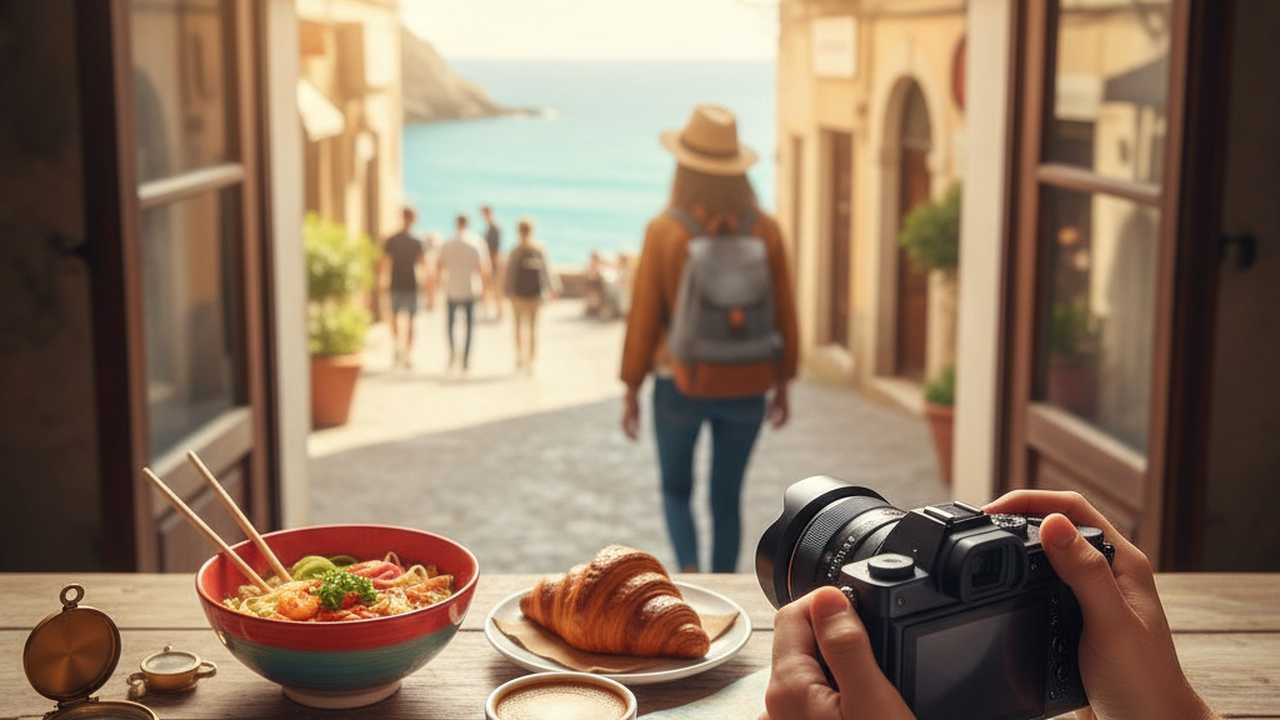
In a world brimming with fleeting moments, the ability to capture travel, food, and lifestyle experiences through photography has become more than just a hobby – it’s a necessity. Every snapshot holds the power to transport you back to a sun-kissed beach, a bustling street market, or a cozy café corner. But how do you ensure that these moments are preserved perfectly? The answer lies in mastering the art of photography, understanding the nuances of light, composition, and emotion, and most importantly, choosing the right tools and platforms to enhance your skills. One such platform that stands out is Restore Education. With its comprehensive programs and flexible learning paths, Restore Education offers a gateway to mastering photography and other skills that can elevate your content creation journey. In this article, we delve into the essential techniques and tools that will help you capture stunning photos that resonate with your audience.
Understanding the Essence of Photography
Photography is more than just pointing a camera at a subject; it’s about telling a story, evoking emotions, and capturing the essence of a moment. Whether you’re traveling through the vibrant streets of Bangkok, savoring a gourmet dish in Paris, or lounging in a chic New York apartment, each setting offers unique opportunities to create compelling images. The key is to observe your surroundings keenly, identify the elements that make the scene special, and frame them in a way that conveys the mood and atmosphere. For instance, the golden hour – just before sunset – provides a soft, warm light that can transform an ordinary scene into something magical. Similarly, understanding the interplay of shadows and highlights can add depth and dimension to your photos. By honing these observational skills, you can ensure that your photographs are not just visually appealing but also narratively rich.
The Power of Composition
Composition is the backbone of any great photograph. It dictates how elements within the frame interact with each other and guides the viewer’s eye through the image. One of the fundamental principles of composition is the Rule of Thirds. Imagine dividing your frame into nine equal parts using two horizontal and two vertical lines. Placing key elements along these lines or at their intersections creates balance and interest. Another powerful tool is leading lines – roads, rivers, or architectural elements that draw the viewer’s eye into the scene. Symmetry and patterns also play a crucial role, especially in architectural and food photography, where repetitive elements can create visually striking images. By mastering these compositional techniques, you can transform mundane scenes into captivating photographs.
Mastering Lighting Techniques
Lighting is arguably the most critical aspect of photography. It sets the mood, defines textures, and brings out the colors in your images. Natural light is often preferred for its softness and warmth, but understanding how to manipulate artificial lighting can also yield stunning results. For instance, diffusing harsh sunlight with a sheer curtain can create a gentle, flattering light for portraits. In food photography, using a reflector can bounce light onto the subject, eliminating unwanted shadows and highlighting textures. Moreover, experimenting with backlighting can produce dramatic silhouettes, adding a layer of intrigue to your photos. By becoming attuned to the nuances of light and how it interacts with your subjects, you can elevate the quality of your photographs significantly.
Choosing the Right Equipment
While smartphone cameras have come a long way, investing in a DSLR or mirrorless camera can provide greater control over your shots. These cameras offer manual settings that allow you to adjust aperture, shutter speed, and ISO, giving you the flexibility to capture images exactly as you envision them. Additionally, lenses play a pivotal role in determining the perspective and quality of your photos. A wide-angle lens is ideal for capturing expansive landscapes, while a macro lens allows you to photograph intricate details, such as the texture of a dish or the petals of a flower. Tripods are also invaluable tools, especially in low-light conditions or when shooting long exposures. By selecting the right equipment tailored to your photography style, you can enhance the technical quality of your images.
Editing: Enhancing Your Photos
Post-processing is where you can truly bring your vision to life. Software like Adobe Lightroom and Photoshop offers a plethora of tools to adjust exposure, contrast, saturation, and sharpness. However, it’s essential to approach editing with restraint. Over-editing can lead to unnatural-looking images that lose the authenticity of the moment. Instead, aim to enhance the natural beauty of your photos, correcting minor imperfections and emphasizing the elements that make the scene unique. Presets can also be a helpful starting point, providing a consistent style across your images. By developing an editing workflow that aligns with your aesthetic preferences, you can create a cohesive portfolio that resonates with your audience.
Building a Consistent Style
Consistency is key in photography, especially if you’re looking to establish a personal brand or social media presence. Developing a unique style involves more than just technical skills; it encompasses your choice of subjects, color palette, composition, and editing techniques. For example, if you prefer minimalist compositions with muted tones, consistently applying these elements across your photos will create a recognizable aesthetic. This consistency helps your audience connect with your work and sets you apart in a crowded digital space. Moreover, a cohesive style can make your portfolio more appealing to potential clients or collaborators, showcasing your ability to produce work with a distinct voice.
Leveraging Social Media to Showcase Your Work
In today’s digital age, social media platforms like Instagram, Pinterest, and TikTok serve as powerful tools to showcase your photography. These platforms offer vast audiences and can significantly increase the visibility of your work. To maximize engagement, it’s crucial to understand the algorithms and best practices of each platform. For instance, using relevant hashtags can make your photos discoverable to a broader audience. Engaging with your followers through comments and direct messages fosters a community around your work. Additionally, sharing behind-the-scenes content or stories can humanize your brand and build a deeper connection with your audience. By strategically utilizing social media, you can expand your reach and establish a strong online presence.
Continuous Learning and Improvement
Photography is an ever-evolving field, and staying updated with the latest trends, techniques, and technologies is essential. Platforms like Restore Education offer courses and resources that can help you enhance your skills and stay ahead of the curve. Whether it’s learning about the latest camera gear, exploring new editing software, or understanding emerging photography styles, continuous learning ensures that your work remains fresh and innovative. Moreover, seeking feedback from peers and mentors can provide valuable insights and constructive criticism, helping you grow as a photographer. Embracing a mindset of lifelong learning will not only improve your technical abilities but also inspire creativity and innovation in your work.
In conclusion, capturing travel, food, and lifestyle moments perfectly through photos requires a blend of technical skills, artistic vision, and continuous learning. By understanding the essence of photography, mastering composition and lighting, choosing the right equipment, and developing a consistent style, you can create images that resonate with your audience. Leveraging platforms like Restore Education can further enhance your skills, providing you with the knowledge and resources to excel in the field of photography. Remember, every moment is an opportunity to tell a story – make sure your photos do it justice.
