


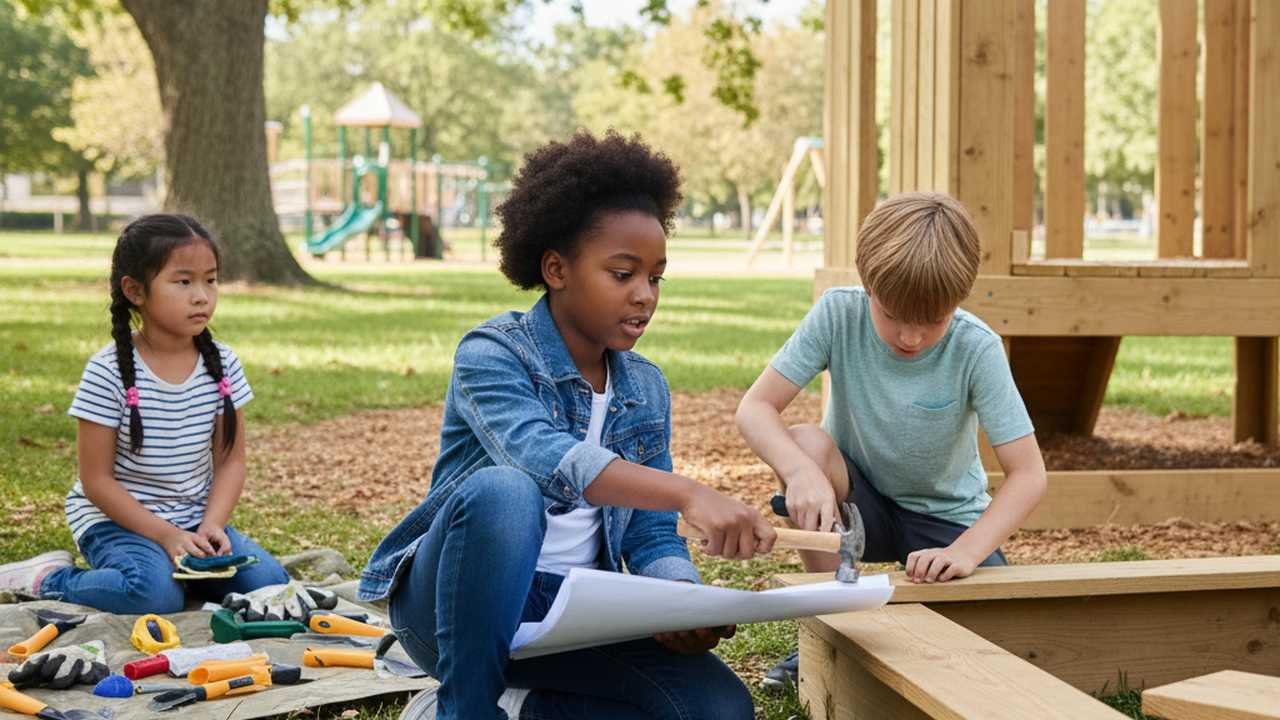
In today’s fast-paced world, where distractions lurk at every corner and the digital realm competes for our children’s attention, instilling core values like responsibility, focus, and leadership is more crucial than ever. As parents, educators, and mentors, we hold the key to shaping the leaders of tomorrow. But how can we effectively nurture these qualities in our children? The answer lies in intentional, hands-on experiences that challenge them to grow, reflect, and lead.
One such avenue is through participation in physical education conferences, where children can engage in structured activities that promote teamwork, discipline, and leadership. These conferences offer a unique blend of learning and physical activity, providing a platform for children to develop essential life skills in an interactive environment.
1. The Power of Responsibility: Teaching Through Action
Responsibility isn’t just about completing tasks; it’s about understanding the impact of one’s actions. By assigning age-appropriate chores and roles, children learn the value of accountability. Whether it’s managing a personal project or contributing to a team effort, these experiences instill a sense of ownership and pride. For instance, a child leading a group activity at a physical education conference can grasp the importance of preparation, communication, and follow-through, all vital components of responsibility.
Moreover, these settings provide real-time feedback, allowing children to reflect on their decisions and outcomes. Such reflective practices are instrumental in developing a responsible mindset that extends beyond the conference setting into everyday life.
2. Cultivating Focus in a Distracted World
In an era dominated by screens and constant notifications, maintaining focus is a growing challenge. However, structured environments like physical education conferences offer a sanctuary for children to hone their attention skills. Through engaging activities that require concentration and coordination, children learn to block out distractions and immerse themselves in the task at hand.
These experiences are further enriched by expert-led sessions that delve into strategies for enhancing focus. Children are introduced to techniques such as mindfulness and goal-setting, which are not only applicable during the conference but also beneficial in academic and personal pursuits.
3. Leadership in Action: Beyond the Classroom
Leadership isn’t confined to titles; it’s demonstrated through actions and influence. At physical education conferences, children are presented with opportunities to lead by example. Whether it’s guiding a team through a challenge or making decisions that affect the group’s direction, these moments are pivotal in developing leadership qualities.
Additionally, the collaborative nature of these conferences fosters a sense of community and shared purpose. Children learn to navigate group dynamics, resolve conflicts, and inspire others, all of which are essential skills for effective leadership.
4. The Role of Physical Activity in Character Development
Physical activity is more than just exercise; it’s a conduit for building character. Activities at physical education conferences are designed to challenge children physically and mentally, promoting resilience, perseverance, and teamwork. These experiences teach children to push their limits, handle setbacks, and celebrate successes, all of which contribute to a well-rounded character.
Furthermore, the physical nature of these activities helps in the development of motor skills and overall health, reinforcing the connection between physical well-being and personal growth.
5. Fostering Social Skills Through Group Interactions
Social interactions are a cornerstone of personal development. At physical education conferences, children engage with peers from diverse backgrounds, learning to communicate effectively, collaborate, and respect differences. These interactions are instrumental in developing empathy, conflict resolution skills, and a sense of community.
Through group activities and discussions, children gain insights into the perspectives of others, broadening their understanding and appreciation of diversity. These experiences prepare them to navigate the complexities of social environments with confidence and respect.
6. The Influence of Mentors and Role Models
Mentorship plays a significant role in shaping a child’s development. At physical education conferences, children have the opportunity to interact with mentors and role models who exemplify the qualities of responsibility, focus, and leadership. Observing and learning from these individuals provides children with tangible examples of how to embody these traits.
Mentors offer guidance, encouragement, and constructive feedback, helping children to recognize their strengths and areas for growth. This relationship fosters a sense of belonging and motivation, inspiring children to strive for excellence.
7. The Impact of Structured Learning Environments
Structured learning environments, such as those found at physical education conferences, provide a framework within which children can develop essential life skills. The combination of planned activities, expert instruction, and peer interactions creates an atmosphere conducive to learning and personal growth.
These environments encourage children to set goals, manage time, and work towards achieving objectives, all while receiving support and guidance. The structure helps children to focus their efforts and measure progress, reinforcing the value of discipline and perseverance.
8. Integrating Technology in Physical Education
While technology can be a source of distraction, when used appropriately, it can enhance learning experiences. At physical education conferences, technology is integrated in ways that complement physical activities, such as through interactive apps that track progress or virtual sessions that provide additional learning opportunities.
This integration teaches children to use technology responsibly and effectively, preparing them for a future where digital literacy is paramount. It also demonstrates how technology can be a tool for enhancing, rather than hindering, personal development.
9. Encouraging Lifelong Learning and Growth
The experiences gained at physical education conferences serve as a foundation for lifelong learning. The skills and lessons learned are not confined to the duration of the conference but are carried forward into various aspects of life. Children develop a growth mindset, understanding that learning is an ongoing process that extends beyond formal settings.
This perspective encourages them to seek out new opportunities for growth, embrace challenges, and continuously strive for improvement. It instills a passion for learning that lasts a lifetime.
10. The Call to Action: Seize the Opportunity
The opportunity to participate in physical education conferences is a gateway to unlocking a child’s potential. These conferences offer more than just activities; they provide experiences that shape character, build skills, and inspire leadership. As parents, educators, and mentors, it’s our responsibility to recognize the value of these opportunities and encourage children to engage fully.
Don’t let this chance slip by. Seek out upcoming physical education conferences in your area and take proactive steps to involve your child. The benefits are immeasurable, and the impact on their development is profound. Remember, the leaders of tomorrow are shaped by the experiences and guidance they receive today.
