


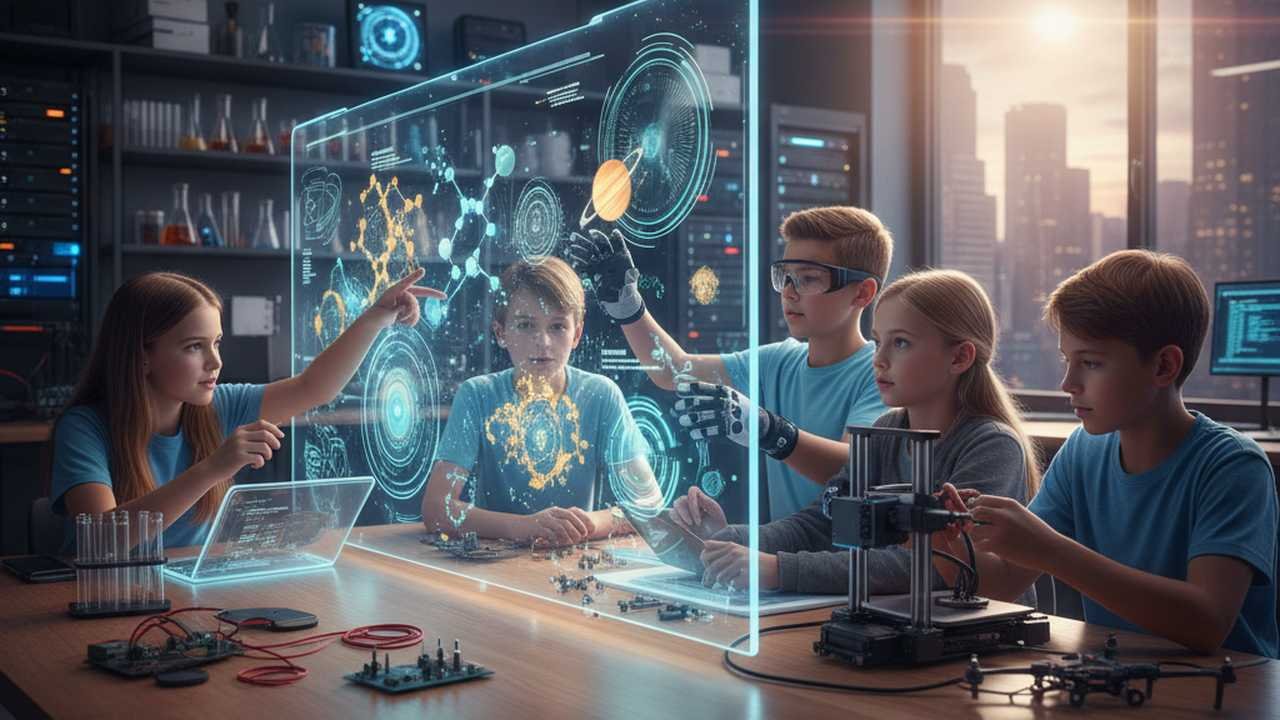
In today’s rapidly evolving educational landscape, integrating technology into the STEM (Science, Technology, Engineering, and Mathematics) curriculum is no longer optional – it’s imperative. The urgency to adapt is palpable; students are not just learning about technology – they’re living it. The classroom is no longer confined to four walls; it’s a dynamic, interactive environment where digital tools and resources are seamlessly woven into the fabric of learning. This transformation is not just enhancing educational outcomes; it’s revolutionizing them.
One cannot overstate the importance of education in this context. As highlighted in various essays on the importance of education, the role of education extends beyond mere knowledge acquisition. It is about preparing students for the challenges of the future, equipping them with critical thinking skills, and fostering creativity and innovation. Integrating technology into the STEM curriculum amplifies these objectives, providing students with the tools to engage deeply with content and apply their learning in real-world scenarios.
The Digital Transformation of STEM Education
The digital age has ushered in an era where information is at our fingertips, and learning is no longer confined to textbooks. In STEM education, this transformation is evident. Virtual labs allow students to conduct experiments in a simulated environment, coding platforms enable them to develop software applications, and online resources provide access to a wealth of information and tutorials. These tools not only make learning more engaging but also more accessible, catering to diverse learning styles and paces.
However, the integration of technology goes beyond the mere inclusion of digital tools. It requires a paradigm shift in teaching methodologies. Educators are moving from traditional lecture-based instruction to more interactive, student-centered approaches. Project-based learning, inquiry-based learning, and flipped classrooms are becoming commonplace, with technology serving as the catalyst for these innovative teaching strategies. This shift is not just enhancing student engagement; it’s fostering a deeper understanding of STEM concepts and their real-world applications.
Enhancing Student Engagement Through Interactive Tools
Engagement is the cornerstone of effective learning, and technology offers myriad ways to captivate students’ attention. Interactive simulations, gamified learning platforms, and virtual reality experiences immerse students in the subject matter, making abstract concepts tangible and comprehensible. For instance, students can explore the human circulatory system through a 3D virtual tour or simulate chemical reactions in a virtual lab, providing them with experiences that would be impossible in a traditional classroom setting.
These interactive tools not only make learning more enjoyable but also promote active participation. Students are no longer passive recipients of information; they are active learners, exploring, experimenting, and problem-solving. This hands-on approach fosters critical thinking, collaboration, and creativity – skills that are essential in the 21st century. Moreover, these tools provide immediate feedback, allowing students to assess their understanding and make necessary adjustments in real-time.
Bridging the Gap with Online Resources and Platforms
The internet has democratized access to information, and this is particularly beneficial in STEM education. Online platforms offer a plethora of resources – tutorials, forums, research articles, and collaborative projects – that students can access anytime, anywhere. This flexibility allows students to learn at their own pace, revisit challenging concepts, and delve deeper into topics of interest.
Moreover, these platforms facilitate collaboration beyond the classroom. Students can engage in global projects, participate in online discussions, and connect with experts in the field. This exposure broadens their perspectives, enhances their communication skills, and prepares them for the global workforce. In essence, online resources and platforms are not just supplements to traditional learning; they are integral components of a modern STEM education.
Empowering Educators with Professional Development
For technology integration to be effective, educators must be equipped with the necessary skills and knowledge. Professional development programs focusing on digital literacy, instructional design, and the effective use of technology in the classroom are essential. These programs empower educators to seamlessly integrate technology into their teaching practices, ensuring that it enhances rather than hinders the learning process.
Furthermore, ongoing support and collaboration among educators are crucial. Communities of practice, online forums, and peer mentoring provide platforms for educators to share experiences, discuss challenges, and explore innovative solutions. This collaborative approach fosters a culture of continuous improvement and ensures that technology integration is not a one-time event but an ongoing process of growth and adaptation.
Assessing the Impact of Technology Integration
While the benefits of technology integration are evident, assessing its impact is equally important. Educators must employ diverse assessment strategies to evaluate not only student learning outcomes but also the effectiveness of the technology tools and methods employed. This includes formative assessments, project evaluations, and feedback from students and stakeholders.
Moreover, data analytics can play a pivotal role in this assessment process. By analyzing student performance data, educators can identify trends, pinpoint areas of improvement, and make data-driven decisions to enhance the learning experience. This evidence-based approach ensures that technology integration leads to tangible improvements in student outcomes.
Overcoming Challenges in Technology Integration
Despite its advantages, integrating technology into the STEM curriculum presents challenges. These include issues related to access to devices and internet connectivity, resistance to change among educators, and the need for continuous professional development. Addressing these challenges requires a concerted effort from all stakeholders – educators, administrators, policymakers, and the community.
Investing in infrastructure, providing ongoing training, and fostering a culture that embraces change are essential steps in overcoming these challenges. Moreover, involving students in the process – by seeking their feedback and encouraging their input – can lead to more effective and sustainable technology integration. In the end, overcoming these challenges is not just about enhancing STEM education; it’s about preparing students for a future where technology is ubiquitous and integral to all aspects of life.
Preparing Students for Future Careers
The ultimate goal of integrating technology into the STEM curriculum is to prepare students for future careers in a technology-driven world. By engaging with digital tools and resources, students develop skills that are highly valued in the workforce – problem-solving, critical thinking, collaboration, and adaptability. These skills are not only applicable in STEM fields but are transferable across various industries.
Moreover, exposure to emerging technologies such as artificial intelligence, robotics, and data analytics provides students with a competitive edge. They gain firsthand experience with tools and concepts that are shaping the future of work, positioning them as leaders and innovators in their chosen fields. In essence, technology integration in STEM education is not just about enhancing learning; it’s about equipping students with the skills and knowledge to thrive in the future workforce.
Conclusion: The Imperative of Technology Integration
The integration of technology into the STEM curriculum is not a passing trend; it is a fundamental shift in how we approach education. It is about creating learning environments that are dynamic, engaging, and responsive to the needs of students. It is about preparing students for a future where technology is an integral part of all aspects of life.
As we move forward, it is crucial to embrace this transformation, to invest in the necessary resources, and to support educators in their journey of professional growth. The importance of education in this context cannot be overstated. It is the key to unlocking the potential of every student, to fostering innovation and creativity, and to building a future that is bright with possibilities.
If you’re an educator looking to integrate technology into your STEM curriculum, now is the time to act. Explore available resources, seek professional development opportunities, and collaborate with peers. The future of education is digital, and the opportunities are boundless. Don’t let this chance slip by – embrace the change and lead your students into the future.
