


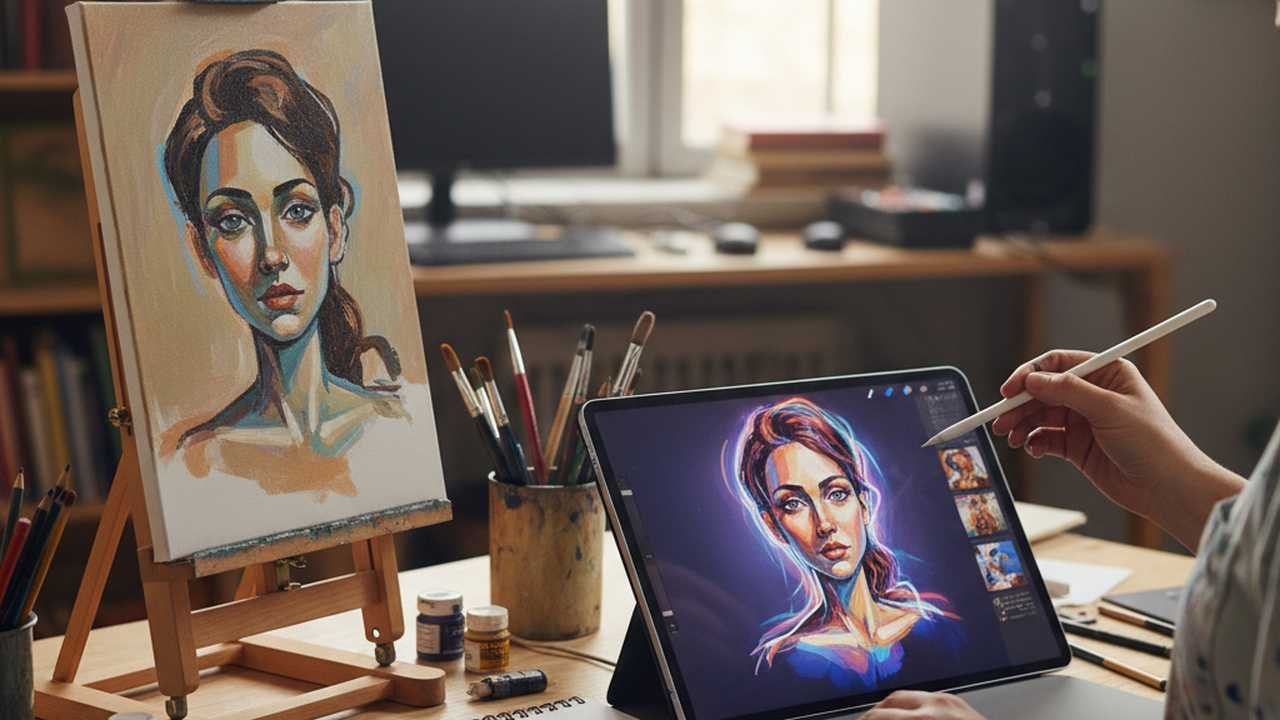
In the ever-evolving world of art, the fusion of traditional and digital techniques has become a beacon of innovation. Artists are no longer confined to the limitations of a single medium; instead, they are blending the tactile richness of traditional methods with the limitless possibilities of digital tools. This harmonious integration not only enhances the creative process but also opens new avenues for expression and storytelling. If you’re an artist seeking to push the boundaries of your craft, understanding and mastering these combined techniques is imperative. The art world is rapidly embracing this fusion, and those who hesitate may find themselves left behind.
The Allure of Traditional Techniques
Traditional art forms, such as painting, drawing, and sculpture, have stood the test of time due to their tactile nature and the depth they offer. The feel of a brush on canvas, the texture of charcoal on paper, and the sculptor’s chisel carving through stone provide a sensory experience that digital mediums often struggle to replicate. These methods allow artists to infuse their work with personal nuances, imperfections, and a sense of history. The physicality of traditional art fosters a deep connection between the artist and their creation, making each piece unique and imbued with emotion.
However, as technology advances, artists are increasingly seeking ways to enhance their traditional works. Digital tools offer the promise of precision, versatility, and the ability to experiment without the constraints of physical materials. The challenge lies in integrating these tools without losing the essence and authenticity of traditional techniques. Striking a balance between the two can lead to groundbreaking artworks that resonate with contemporary audiences.
The Digital Revolution in Art
The digital age has transformed every aspect of our lives, and art is no exception. Digital platforms and software provide artists with an array of tools that can replicate traditional techniques and introduce entirely new ones. Programs like Adobe Photoshop, Corel Painter, and Procreate offer brushes that mimic the effects of oil paints, watercolors, and pastels. Layers, filters, and blending modes enable artists to experiment with compositions and color schemes in ways that were previously unimaginable.
Moreover, digital art allows for easy corrections and modifications, reducing the fear of making irreversible mistakes. This flexibility encourages experimentation and innovation. Artists can work on multiple versions of a piece simultaneously, compare them, and select the best elements from each. The ability to undo actions and work non-destructively fosters a creative environment where ideas can flow freely without the constraints of traditional mediums.
Bridging the Gap: Combining Traditional and Digital Techniques
The true magic happens when artists merge the tactile qualities of traditional art with the capabilities of digital tools. One effective approach is to begin with a traditional piece – such as a pencil sketch or watercolor painting – and then scan or photograph it to bring it into a digital platform. From there, artists can enhance the work by adding digital elements, adjusting colors, or incorporating textures that would be challenging to achieve with traditional methods alone.
For instance, an artist might start by painting a landscape with watercolors, capturing the fluidity and unpredictability of the medium. Once digitized, they can overlay digital textures to simulate the appearance of oil paints or add lighting effects to create depth. This combination allows for a richer, more dynamic final piece that retains the charm of traditional art while benefiting from the advantages of digital manipulation.
Layering: A Powerful Technique
Layering is a fundamental technique in both traditional and digital art. In traditional painting, artists apply multiple layers of paint to build depth and complexity. Similarly, digital artists use layers to separate different elements of a composition, making it easier to edit and refine individual components without affecting the entire piece.
Digital platforms offer advanced layering options, such as adjustment layers, clipping masks, and layer blending modes, which provide artists with unprecedented control over their work. By utilizing these features, artists can experiment with various effects, textures, and colors, achieving results that would be time-consuming or impossible with traditional methods alone. The ability to manipulate layers independently allows for a more efficient workflow and greater creative freedom.
Texturing: Adding Depth and Realism
Texture plays a crucial role in both traditional and digital art, adding tactile quality and realism to a piece. Traditional artists achieve texture through the application of thick paint, impasto techniques, or by incorporating materials like sand or fabric into their work. Digital artists can replicate these effects by using textured brushes, applying noise filters, or overlaying high-resolution texture images onto their compositions.
Combining traditional textures with digital enhancements can result in artworks that possess a unique blend of organic and synthetic qualities. For example, an artist might create a textured canvas painting and then scan it to add digital elements like glowing lights or futuristic patterns. This fusion creates a contrast that captivates the viewer and adds layers of meaning to the artwork.
Speed Painting: Merging Spontaneity with Precision
Speed painting is a technique where artists create a piece of art within a limited time frame, often using digital tools. This method encourages spontaneity and rapid decision-making, allowing artists to capture the essence of a subject without overthinking. The digital medium’s flexibility complements this approach, as artists can quickly adjust and refine their work as they go.
While speed painting is commonly associated with digital art, traditional artists can also benefit from this technique. By setting time constraints and focusing on capturing the core elements of a subject, artists can enhance their observational skills and develop a more intuitive approach to their work. The combination of traditional and digital methods in speed painting can lead to dynamic and expressive pieces that showcase the artist’s versatility.
Photomontage: Blending Realities
Photomontage is the process of combining multiple photographs to create a single image, often resulting in surreal or abstract compositions. Traditional photomontage involves physically cutting and pasting photographs, while digital photomontage utilizes software to manipulate and merge images seamlessly.
By combining traditional photomontage techniques with digital tools, artists can create complex and layered images that challenge perceptions of reality. For example, an artist might start with a traditional collage and then scan it to add digital elements like shadows, lighting effects, or animated components. This hybrid approach allows for greater control and precision, resulting in visually striking artworks that push the boundaries of traditional collage.
Embracing Innovation: The Future of Art
The integration of traditional and digital techniques is not merely a trend but a reflection of the evolving nature of art in the digital age. Artists who embrace this fusion are at the forefront of a movement that values innovation, experimentation, and the breaking down of barriers between mediums. By combining the best of both worlds, artists can create works that are rich in texture, depth, and meaning.
As technology continues to advance, the possibilities for combining traditional and digital art techniques are limitless. Artists have access to an ever-expanding array of tools and resources that enable them to push the boundaries of their creativity. Those who remain open to experimentation and innovation will find themselves leading the way in the next era of artistic expression.
If you’re an artist eager to explore the potential of combining traditional and digital techniques, now is the time to act. The art world is rapidly evolving, and those who hesitate may miss out on the opportunity to be part of this exciting movement. Equip yourself with the knowledge, tools, and mindset necessary to innovate and create groundbreaking works that resonate with contemporary audiences.
If you want to elevate your creative presence online, consider incorporating simple education techniques that highlight your skills and projects effectively.
If you want to elevate your artistic presence online, consider integrating waldorf education supplies into your content strategy to attract a niche audience effectively.
If you want to effectively market your creative projects online, understanding the needs of aspiring educators can significantly enhance your outreach strategy.
