


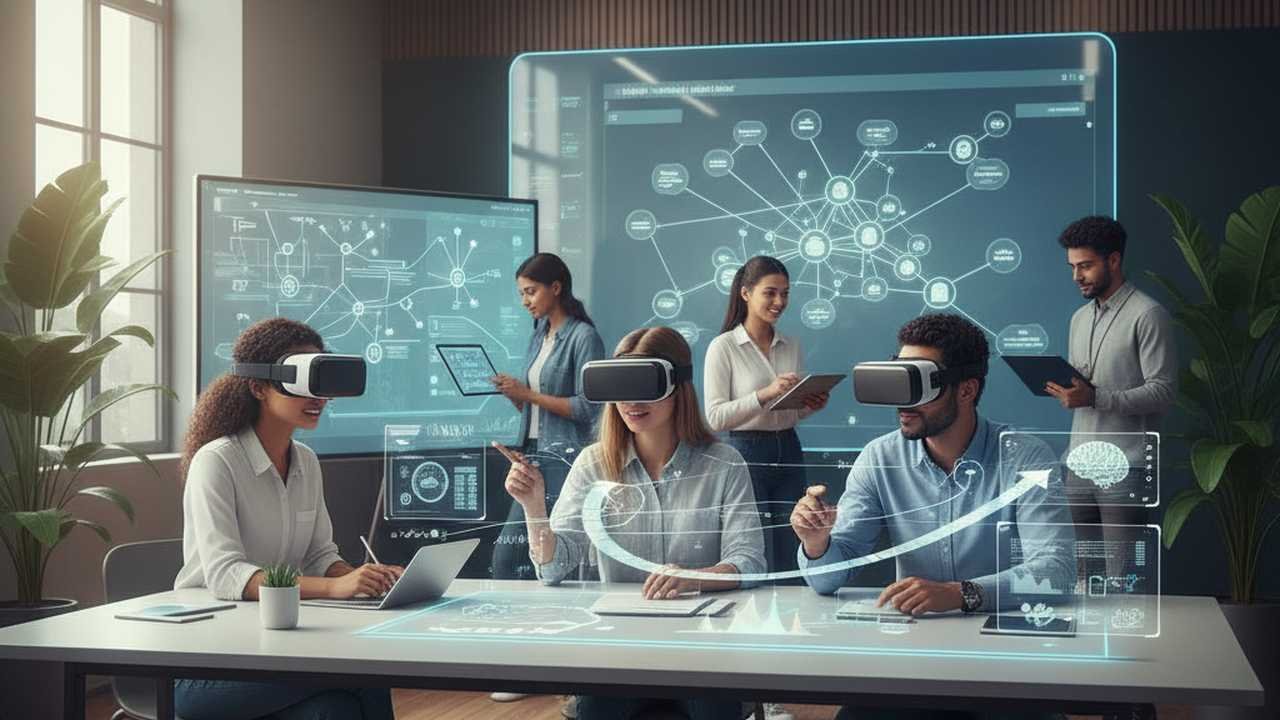
In the fast-paced world of education, where information overload is a constant challenge, the quest for effective learning strategies has never been more urgent. Imagine a classroom where students are not just passive recipients of information but active participants in their learning journey. Picture a scenario where technology doesn’t merely supplement traditional teaching methods but transforms the entire learning experience, making it more engaging, personalized, and, most importantly, effective. This is not a distant dream but a present reality, thanks to the innovative integration of technology in education. As the digital landscape evolves, so do the tools and methodologies that educators and learners can leverage to enhance learning retention and application. The urgency to adopt these technological advancements is paramount, as they hold the key to unlocking a deeper, more lasting understanding of the material. In this article, we will explore how the strategic use of technology can revolutionize learning, ensuring that knowledge is not only acquired but retained and applied effectively.
1. The Power of Microlearning: Small Bites, Big Impact
Microlearning is a game-changer in the realm of education. By breaking down complex information into small, manageable chunks, learners can absorb and retain knowledge more effectively. This approach caters to the brain’s natural processing abilities, allowing for better focus and comprehension. For instance, instead of overwhelming students with lengthy lectures, educators can deliver short, targeted lessons that focus on specific concepts. These bite-sized learning modules can be accessed anytime, anywhere, making learning more flexible and convenient. The effectiveness of microlearning is backed by research, which shows that learners retain information better when it is presented in short, focused sessions. This method not only enhances retention but also encourages continuous learning, as students can easily fit these microlearning sessions into their busy schedules. The integration of microlearning into educational practices is not just a trend but a necessity in today’s fast-paced world.
2. Gamification: Turning Learning into an Engaging Adventure
Gamification is another powerful tool that educators can use to enhance learning retention. By incorporating game-like elements such as points, badges, and leaderboards into the learning process, students are motivated to engage more deeply with the material. This approach taps into the intrinsic motivation of learners, making the learning experience more enjoyable and rewarding. For example, platforms like Kahoot! and Duolingo have successfully used gamification to make learning more interactive and fun. These platforms turn mundane tasks into exciting challenges, encouraging students to participate actively and consistently. The competitive elements introduced through gamification also foster a sense of achievement and progress, further motivating students to continue learning. The success of gamification in education underscores its potential to transform traditional learning methods and make them more effective and engaging.
3. Adaptive Learning Technologies: Personalizing the Learning Experience
Adaptive learning technologies are revolutionizing the way education is delivered. These technologies use algorithms to analyze a student’s learning patterns and adjust the content accordingly, providing a personalized learning experience. This individualized approach ensures that each student receives the appropriate level of challenge and support, optimizing their learning potential. For instance, platforms like DreamBox and Smart Sparrow utilize adaptive learning to tailor lessons to the needs of each student, allowing for a more customized and effective learning journey. The benefits of adaptive learning are evident, as it helps students progress at their own pace, reinforcing concepts they struggle with and advancing when they are ready. This personalization not only enhances retention but also boosts student confidence and motivation, leading to better learning outcomes. The integration of adaptive learning technologies is a testament to the power of personalization in education.
4. Virtual Reality (VR) and Augmented Reality (AR): Immersive Learning Experiences
Virtual Reality (VR) and Augmented Reality (AR) are pushing the boundaries of traditional education by creating immersive learning environments. These technologies allow students to experience complex concepts in a hands-on, interactive manner, enhancing understanding and retention. For example, VR can transport students to historical events, enabling them to witness history firsthand, while AR can overlay digital information onto the physical world, providing contextual learning experiences. The immersive nature of VR and AR engages multiple senses, making learning more memorable and impactful. Studies have shown that immersive learning experiences can significantly improve retention rates, as they create lasting impressions and foster deeper understanding. The adoption of VR and AR in education is not just an innovation but a transformative shift in how learning is experienced and retained.
5. Artificial Intelligence (AI): Intelligent Tutoring Systems
Artificial Intelligence (AI) is making significant strides in education, particularly in the development of intelligent tutoring systems. These systems use AI algorithms to provide personalized tutoring to students, offering real-time feedback and guidance. By analyzing a student’s responses and performance, AI can identify areas of weakness and provide targeted interventions, ensuring that students receive the support they need to succeed. Platforms like Squirrel AI and Carnegie Learning are leading the way in AI-driven education, offering adaptive learning experiences that cater to individual student needs. The use of AI in education not only enhances learning outcomes but also makes education more accessible, as students can receive personalized support anytime, anywhere. The integration of AI into educational practices signifies a move towards more intelligent and responsive learning environments.
6. Collaborative Learning Platforms: Learning Together, Achieving More
Collaborative learning platforms are fostering a sense of community and teamwork among students. These platforms provide spaces where students can work together on projects, share resources, and engage in discussions, enhancing their learning experience. Tools like Google Classroom and Microsoft Teams facilitate collaboration by offering features such as shared documents, video conferencing, and real-time communication. Collaborative learning encourages peer-to-peer interaction, allowing students to learn from each other and develop critical thinking and problem-solving skills. This approach not only enhances retention but also prepares students for real-world scenarios where teamwork and collaboration are essential. The rise of collaborative learning platforms highlights the importance of social interaction in the learning process.
7. Learning Analytics: Data-Driven Insights for Improved Learning
Learning analytics involves the collection and analysis of data related to student learning behaviors and outcomes. By leveraging learning analytics, educators can gain valuable insights into student performance, identify trends, and make informed decisions to improve teaching strategies. For instance, platforms like Blackboard and Canvas provide analytics tools that track student engagement, assignment completion, and assessment results. These insights enable educators to identify students who may be struggling and intervene promptly, providing the necessary support to enhance learning outcomes. Learning analytics also allows for the continuous improvement of educational practices, as data-driven decisions can lead to more effective teaching methods and better student retention. The utilization of learning analytics underscores the role of data in shaping the future of education.
8. Cloud-Based Learning: Access Anytime, Anywhere
Cloud-based learning platforms are breaking down the barriers of traditional education by providing students with access to learning materials anytime, anywhere. These platforms store educational content in the cloud, allowing students to access lessons, assignments, and resources from any device with an internet connection. Services like Google Drive and Dropbox have become integral to the educational experience, enabling seamless sharing and collaboration. Cloud-based learning promotes flexibility and convenience, accommodating diverse learning styles and schedules. This accessibility ensures that learning is not confined to the classroom, allowing students to engage with the material at their own pace and convenience. The proliferation of cloud-based learning platforms highlights the shift towards more flexible and accessible education models.
9. The Role of the Educational Pro: Guiding the Digital Learning Journey
The role of the educational pro has evolved in the digital age. No longer confined to traditional teaching methods, educational professionals are now at the forefront of integrating technology into the learning process. They are responsible for selecting and implementing the right technological tools, designing engaging digital learning experiences, and providing support to students navigating this new landscape. The educational pro must stay abreast of technological advancements, continuously adapting to the changing educational environment. Their expertise ensures that technology is used effectively to enhance learning retention and application. By embracing their role as digital learning leaders, educational pros can guide students towards successful learning outcomes in an increasingly digital world.
In conclusion, the integration of technology into education is not just a trend but a necessity for maximizing learning retention and application. By leveraging tools such as microlearning, gamification, adaptive learning technologies, VR/AR, AI, collaborative platforms, learning analytics, and cloud-based resources, educators can create a dynamic and effective learning environment. The educational pro plays a crucial role in this transformation, guiding students and institutions through the digital learning journey. The urgency to embrace these technological advancements is clear, as they hold the key to unlocking the full potential of every learner. The time to act is now – don’t let the future of education pass you by.
